
Asheville Open Celebrates 94 Years of Tennis and Community
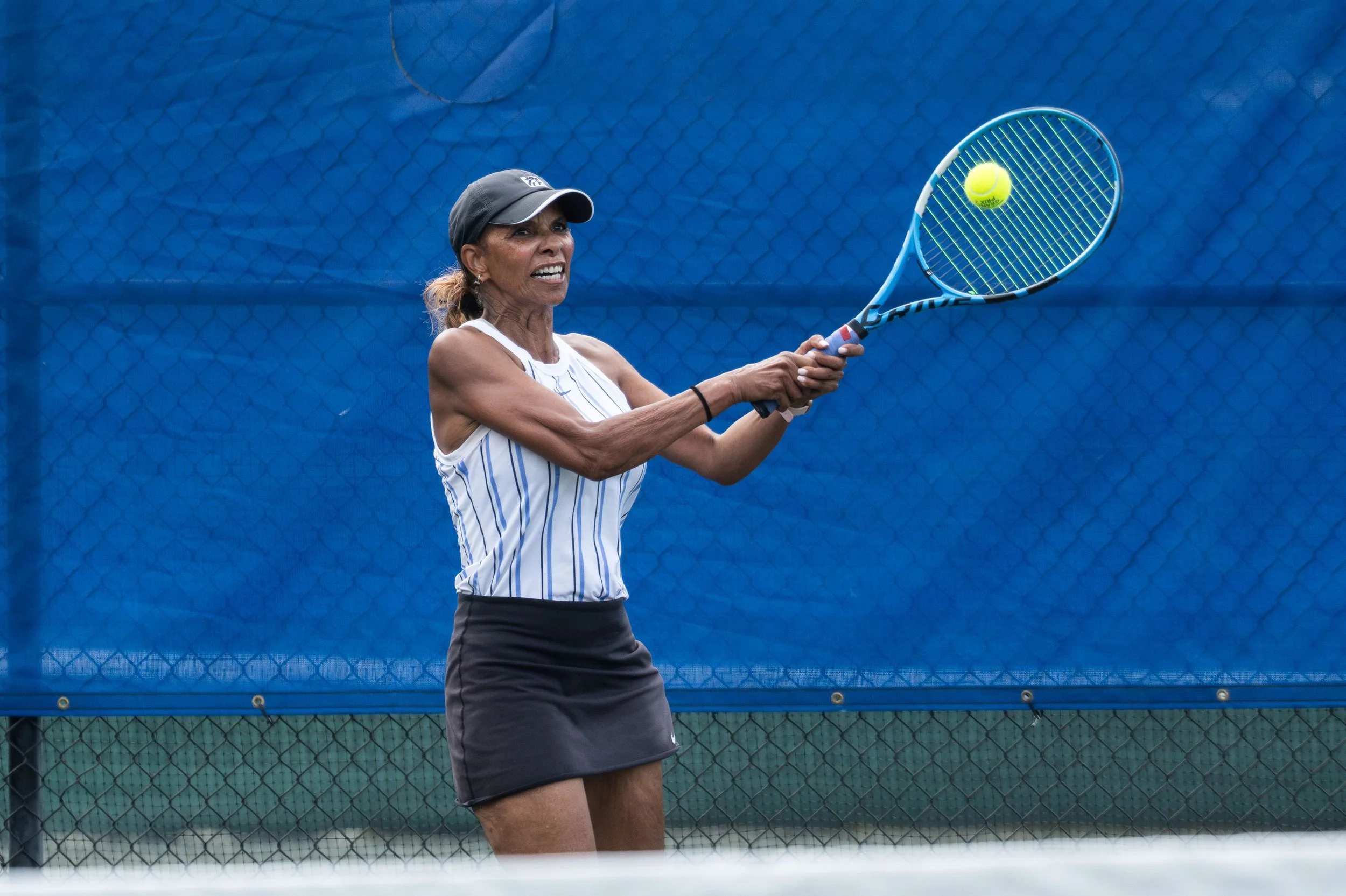
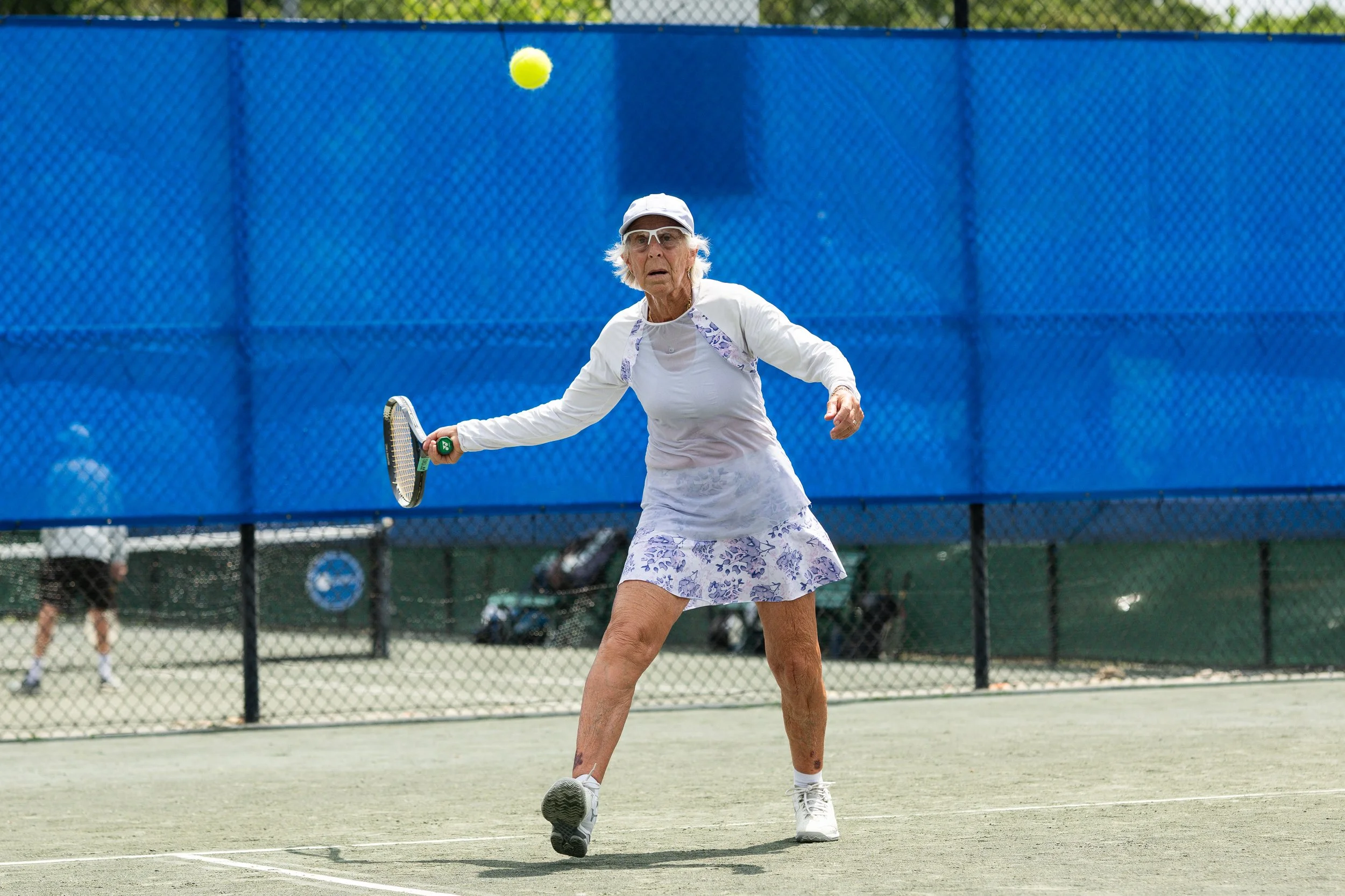
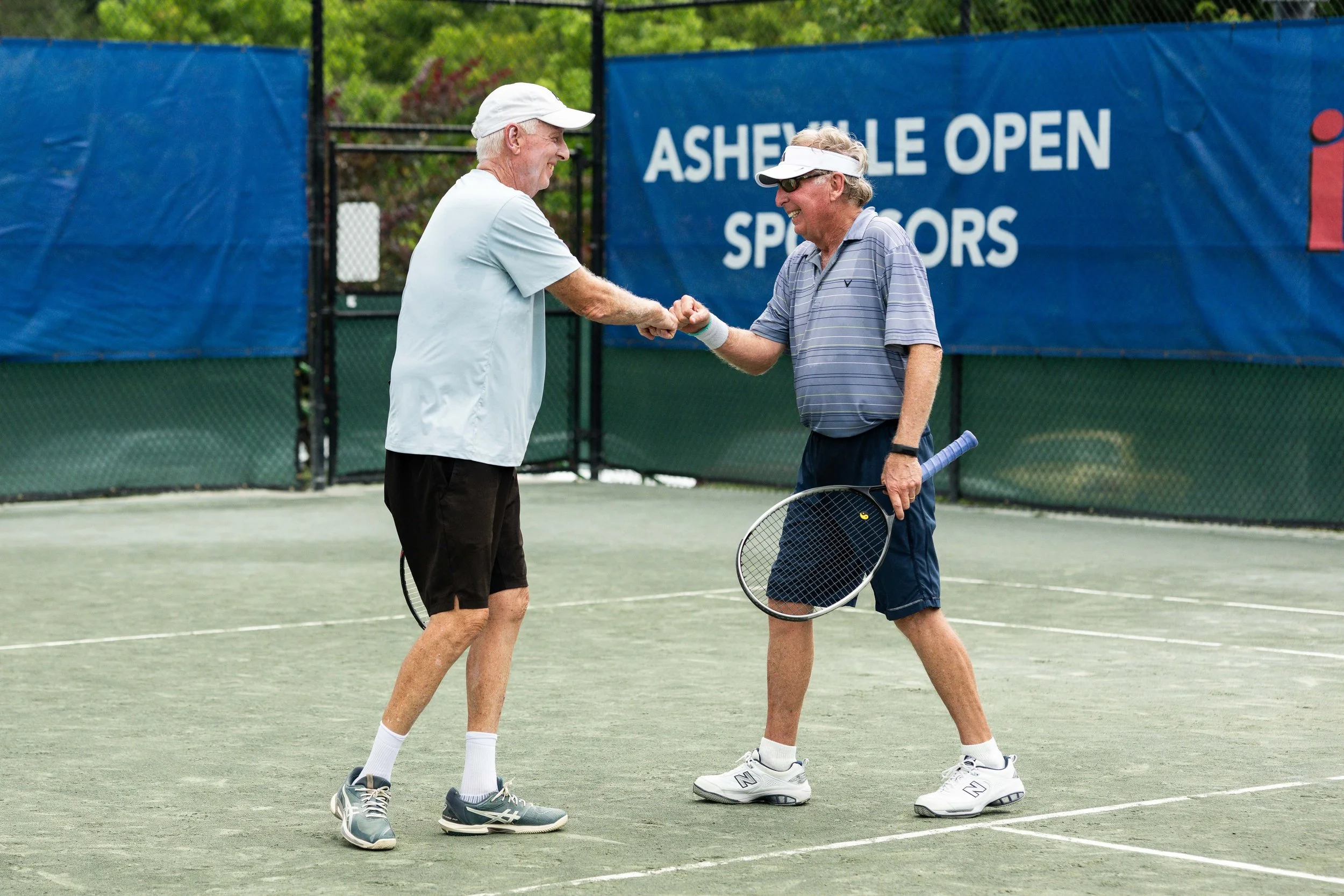

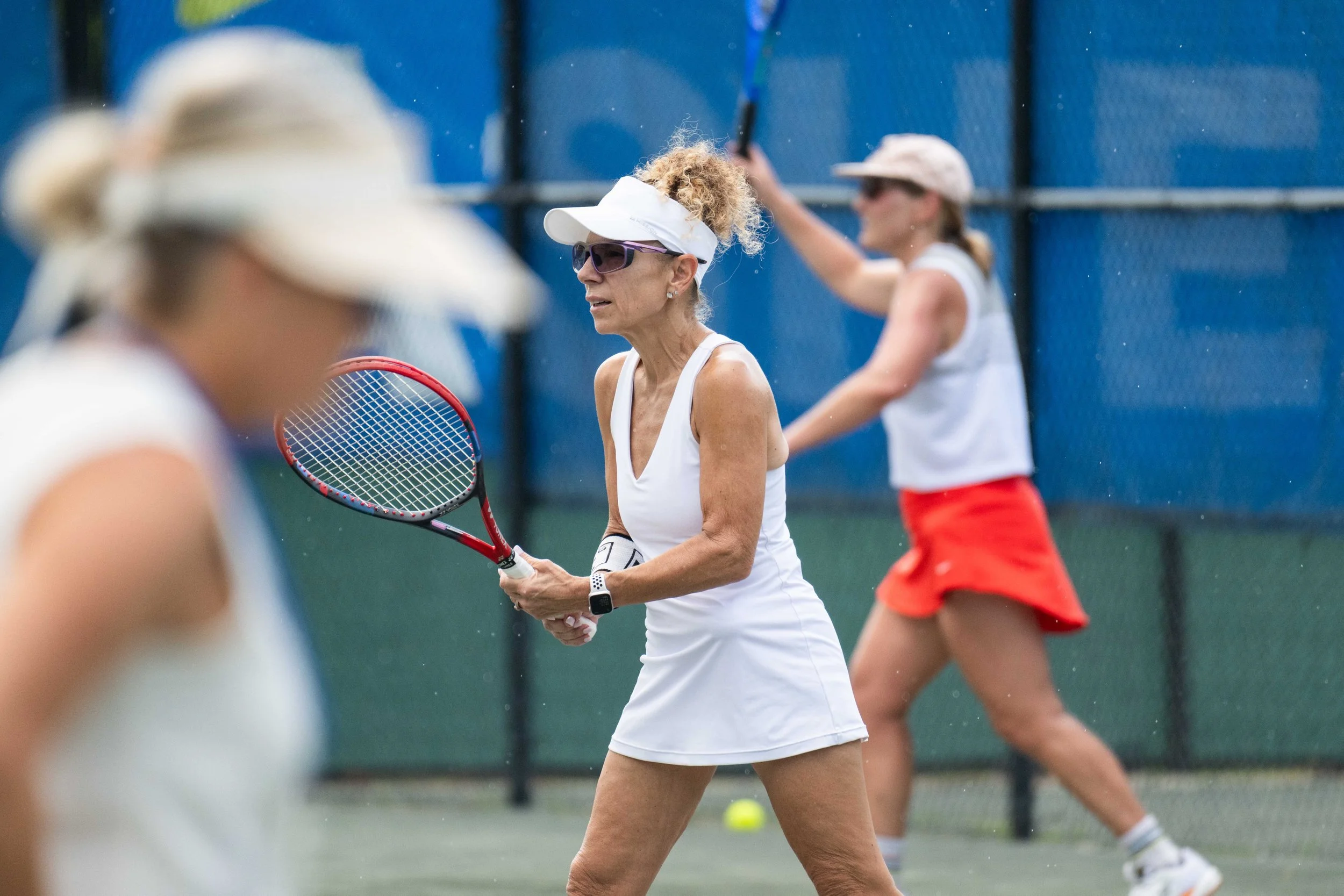
The annual Asheville Tennis Open brought adult and junior competitors to Aston Park while highlighting the sponsors, volunteers and outreach programs that support tennis throughout Asheville.
ASHEVILLE, N.C. — The 94th Asheville Open brought multiple generations of players together for two stages of competition at Aston Park Tennis Center in July.
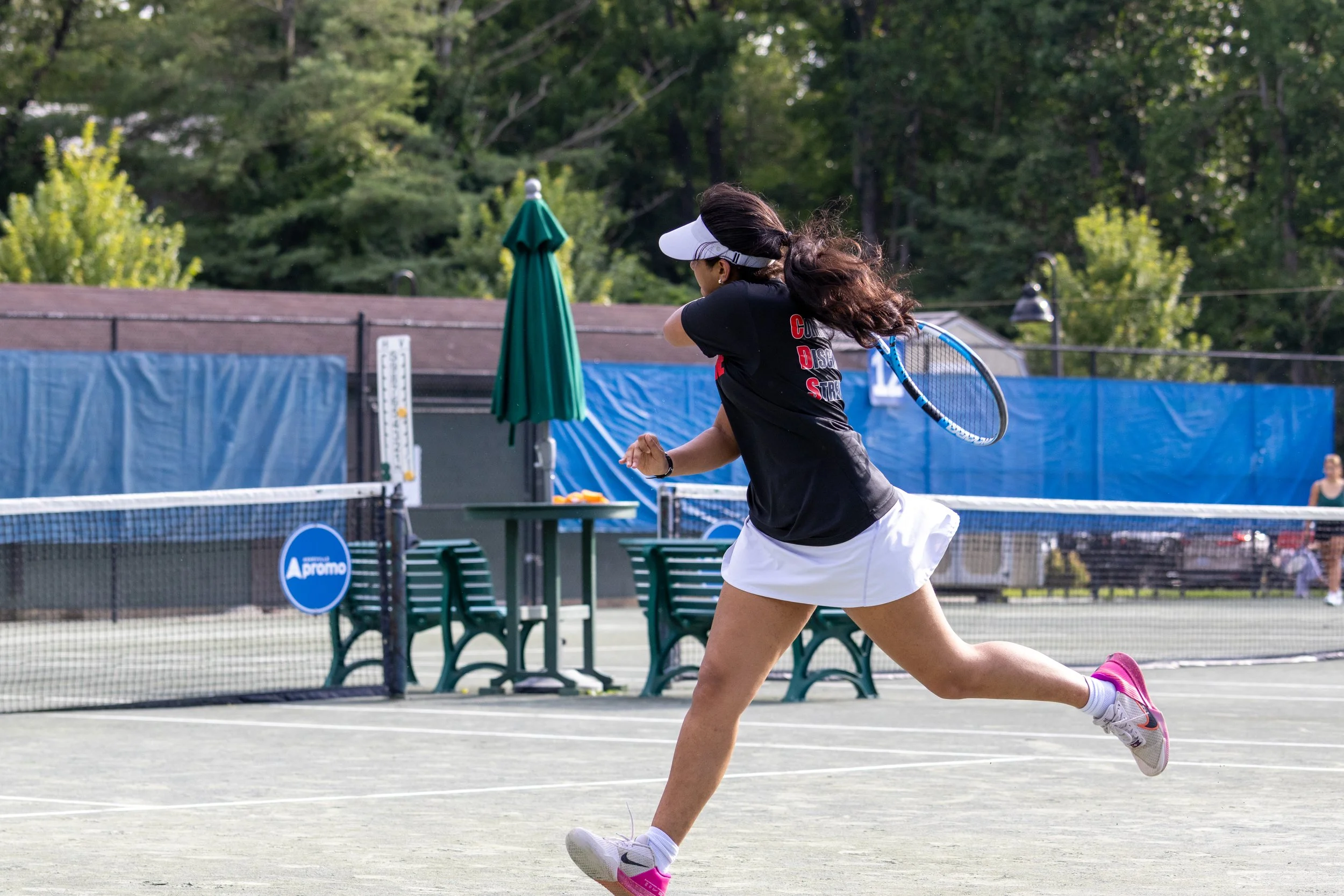
The adult portion welcomed 366 players from July 7–12. It featured Level 3 competition for players ages 40 and older from July 7–11 and Level 5 adult divisions from July 9–12.
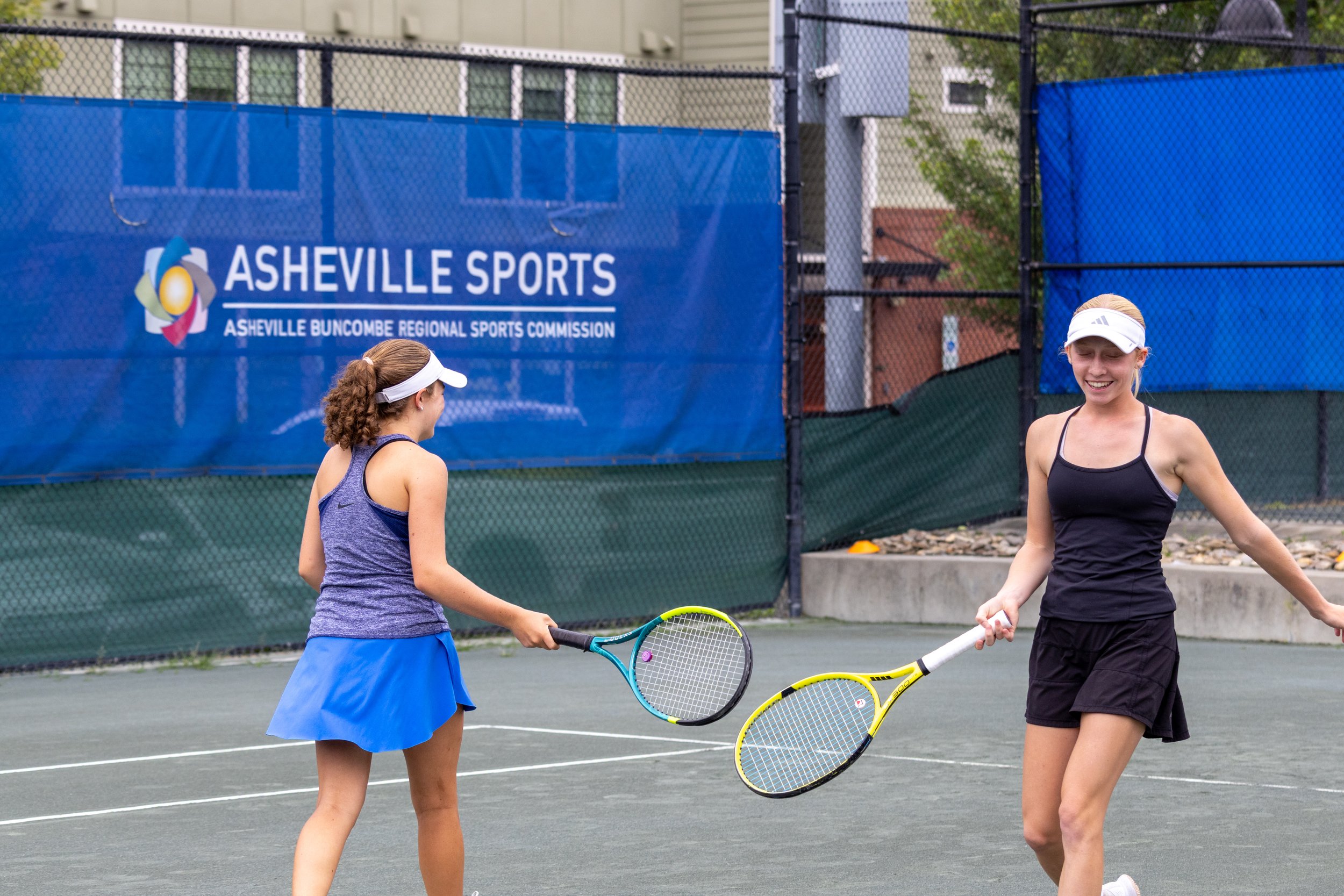
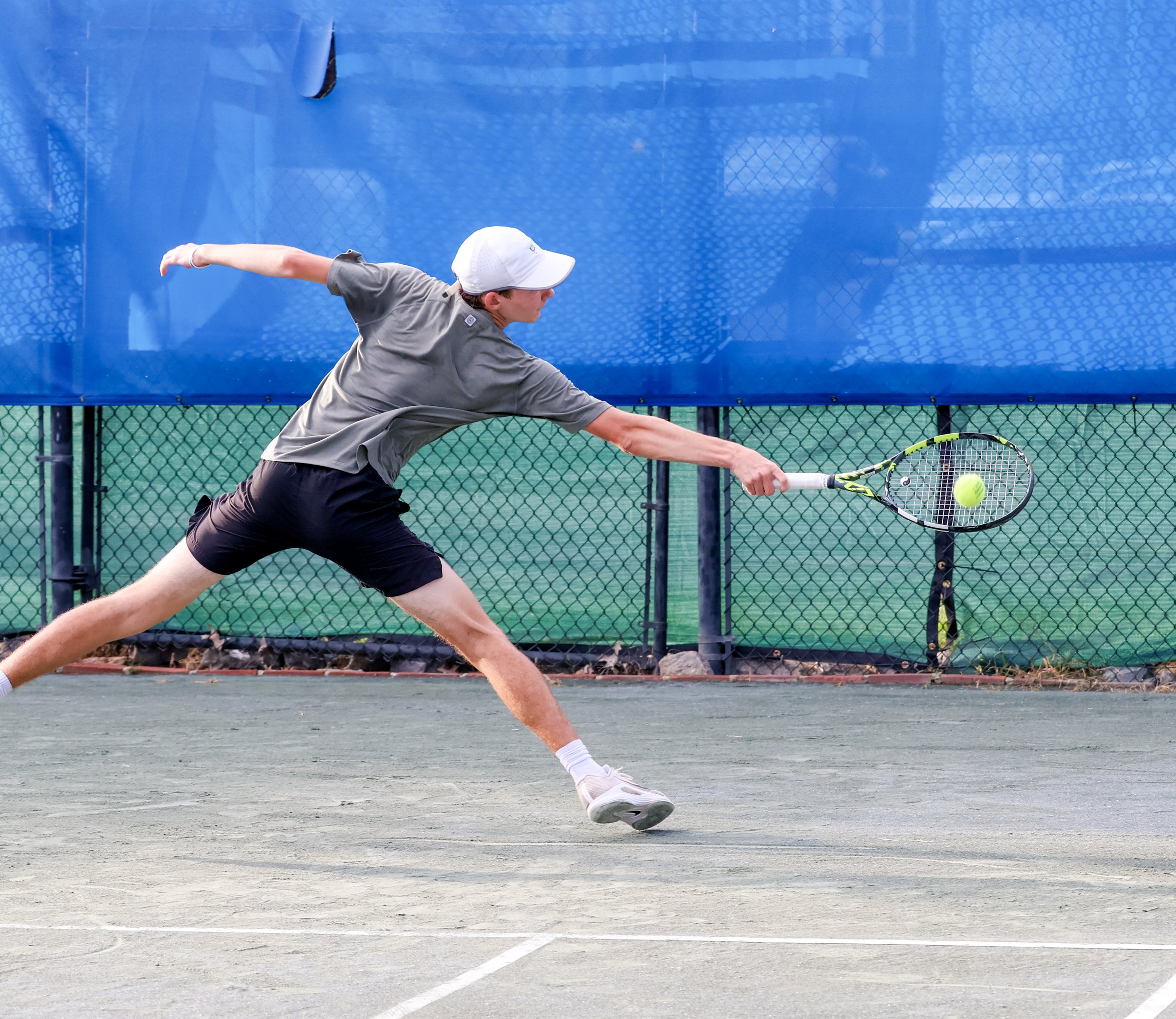
The tournament returned July 24–26 with Level 6 competition for junior boys and girls ages 12–18, giving rising players an opportunity to compete on Aston Park’s 12 lighted clay courts and participate in one of North Carolina’s longest-running tennis traditions.
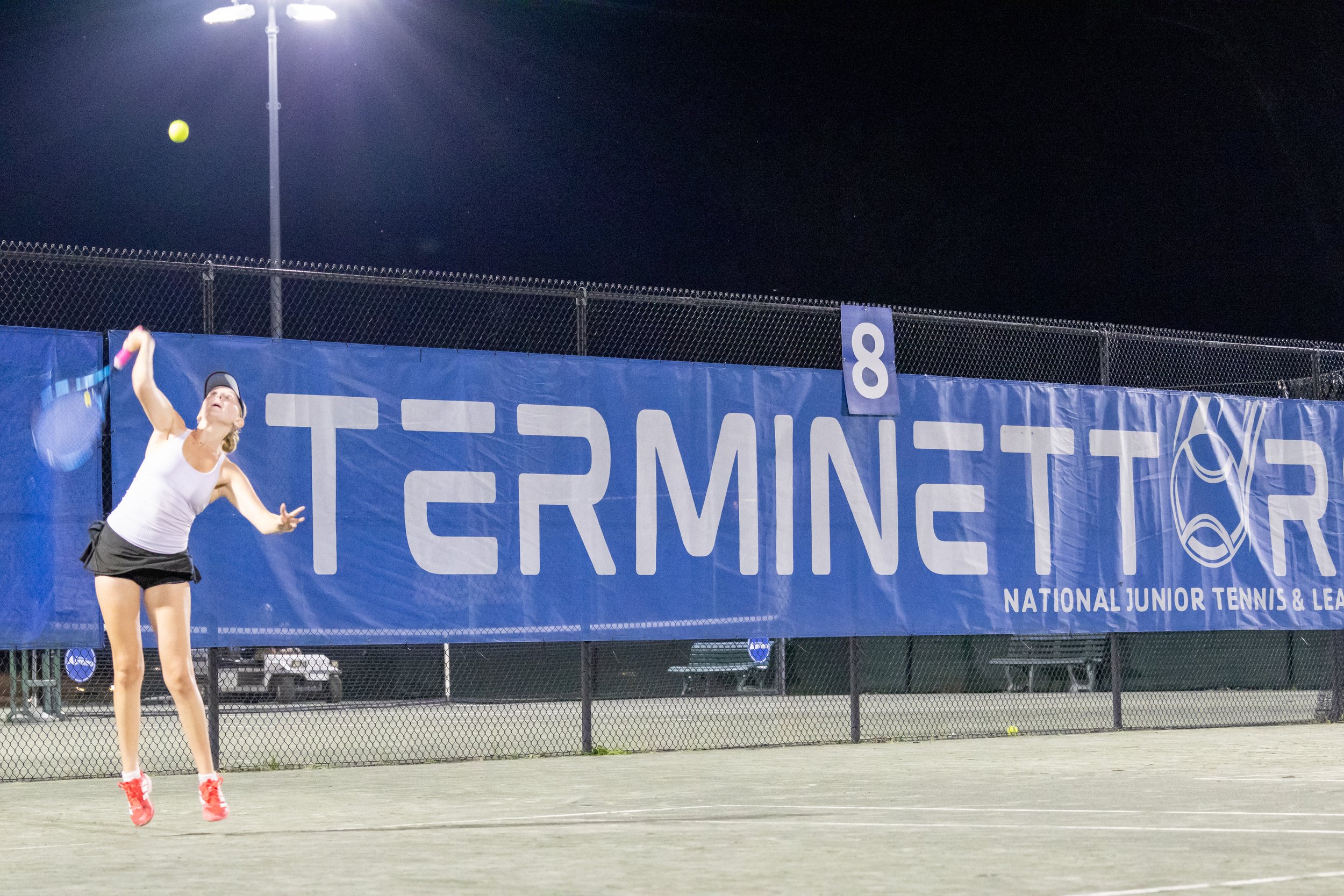
All matches were held on Aston Park’s 12 lighted clay courts in downtown Asheville. The Asheville Open began at the Asheville YMCA in 1928 and moved to Aston Park in 1931. By including age-group, adult and junior divisions, the tournament continues to connect players at different stages of the sport.
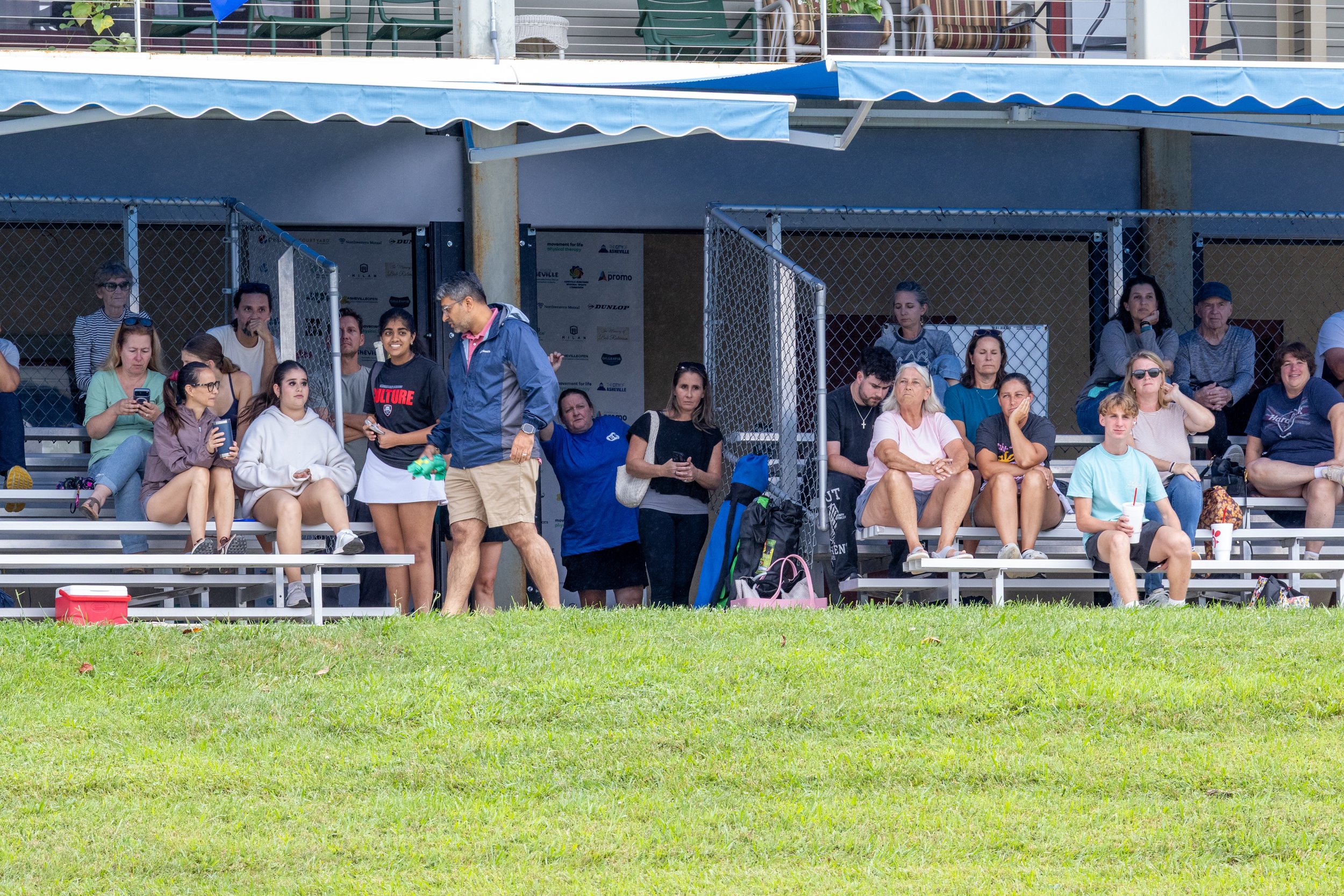
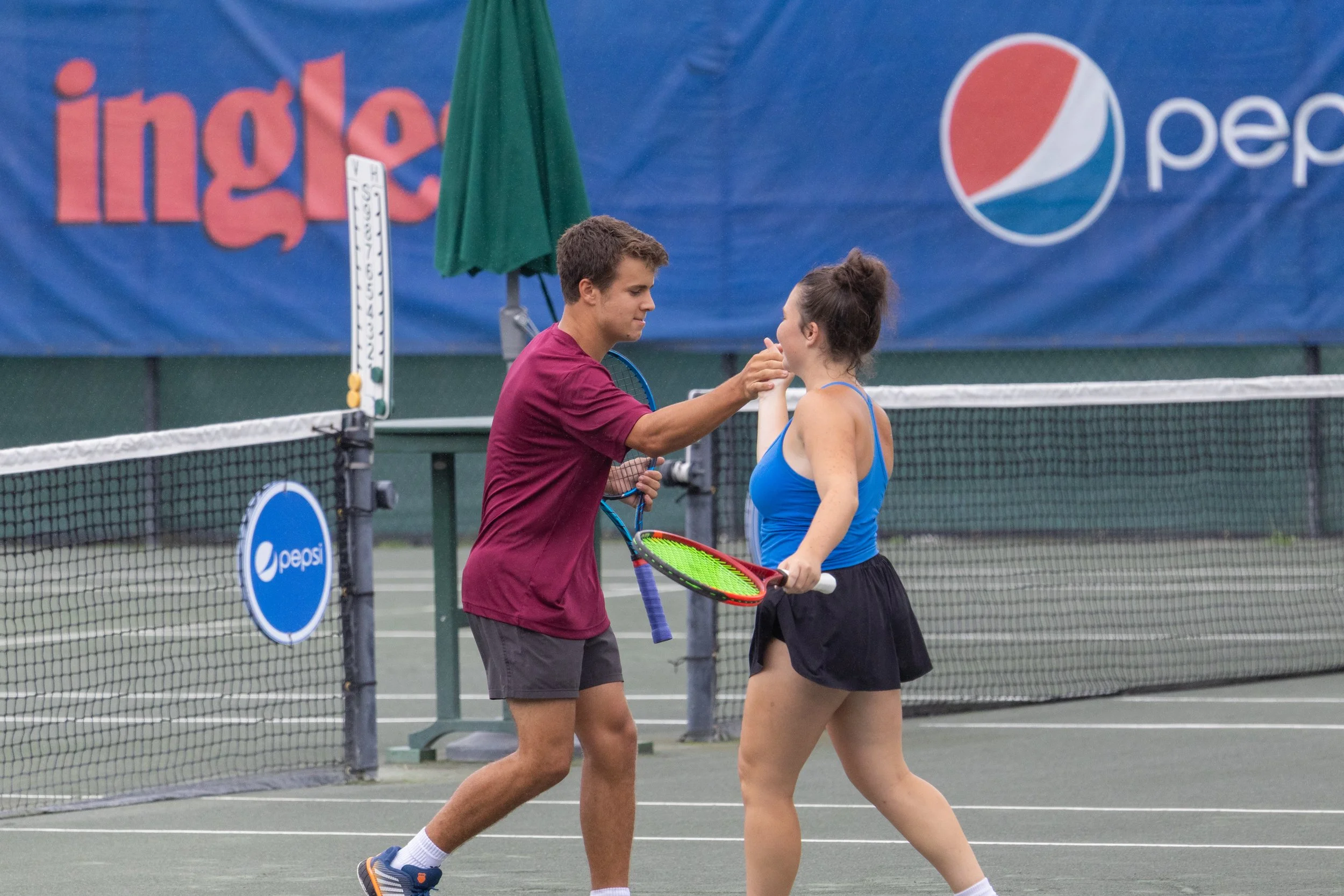
Presented by Ingles and Pepsi of Western North Carolina, this year’s tournament received strong support from local businesses, organizations and volunteers. Its $5,000 Champion sponsors were Asheville Promo, Explore Asheville, Wells Fargo Advisors and EmergeOrtho.
Tournament activities began with a party recognizing the sponsors and volunteers whose contributions helped make both stages of competition possible. Social activities during the adult portion included Friday Night Lights and Breakfast at Wimbledon, giving players and supporters opportunities to connect away from their matches.
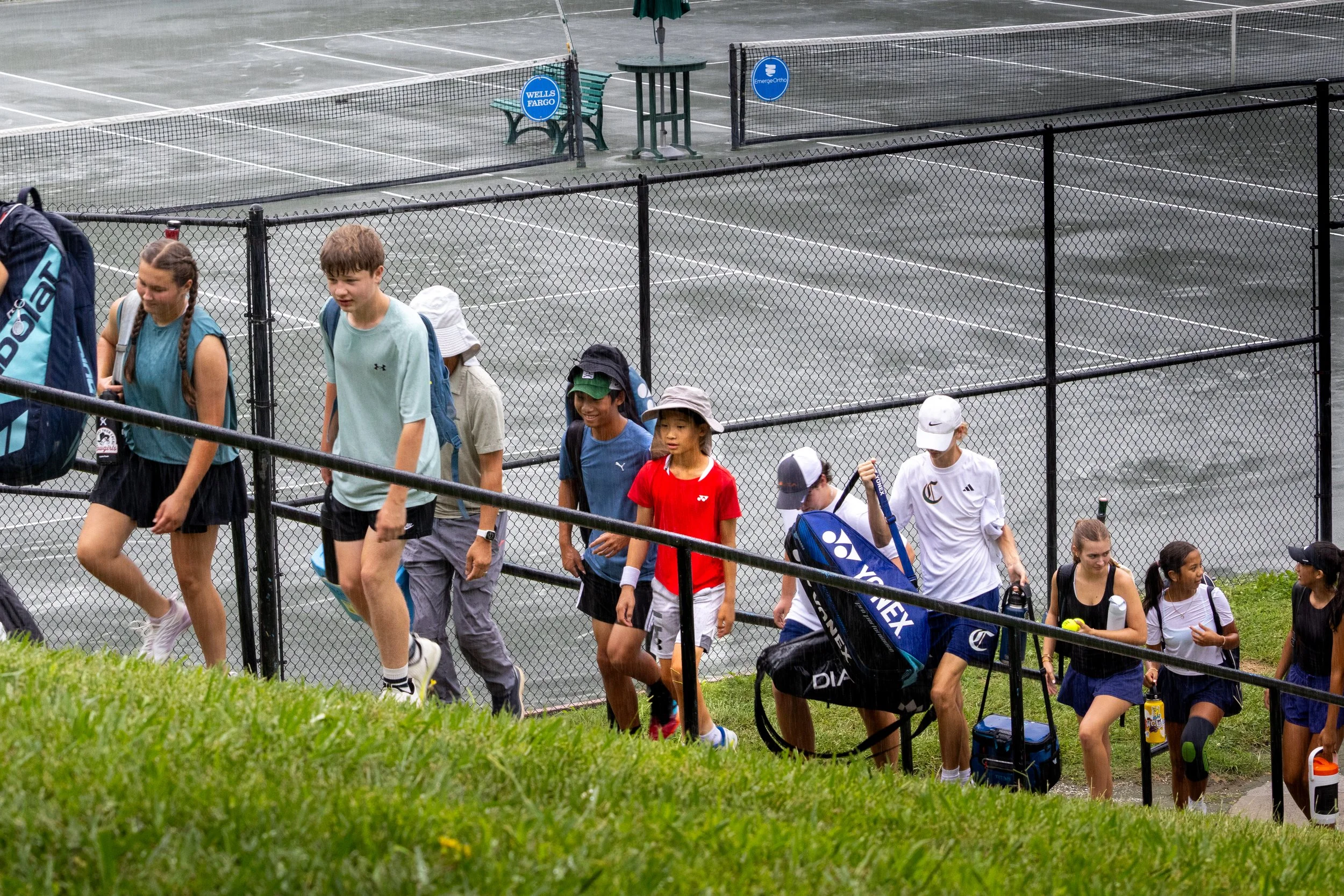
Rain created challenges during the second half of the adult tournament, but cooperation among players, staff members, volunteers and officials allowed play to be completed.
“Rain created some challenges during the second half of the tournament, but through an amazing collaboration of players, staff, volunteers and officials, play was able to be completed,” Asheville Tennis Association President Allen Foiles said. “A true community event in every sense of the word!”
Foiles said the experience was best summarized by Preston Blakeley, recipient of the Men’s Character and Integrity Award:
“Truly, everyone we had the pleasure of interacting with was warm, welcoming and engaging,” Blakeley said. “You and your team crystallized what it looks like to employ tennis as a medium of community and belonging, even for those of us who are just passing through for the weekend. Thank you for putting on such a fun and well-run event and, more importantly, thank you for doing so with integrity and grace.”
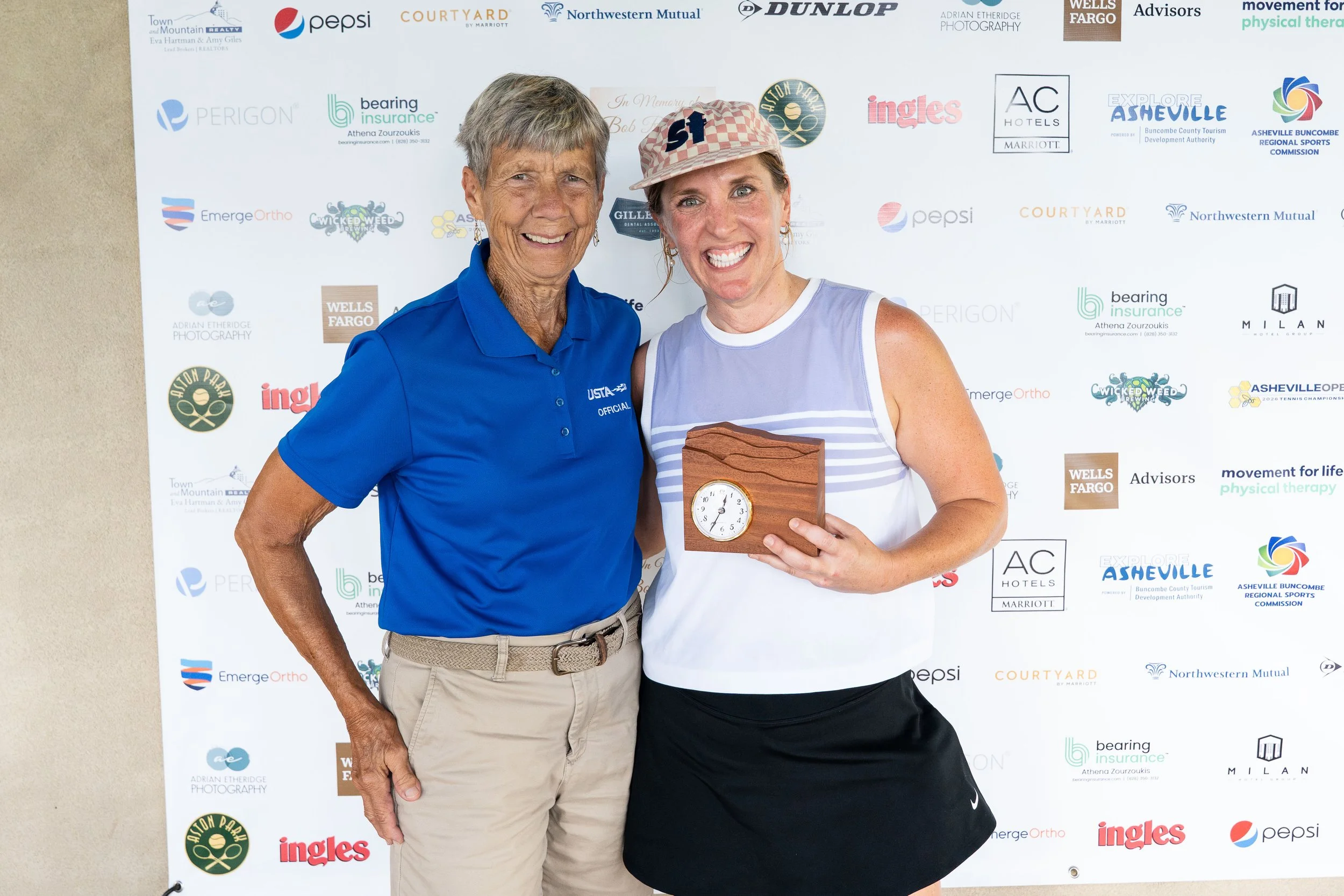
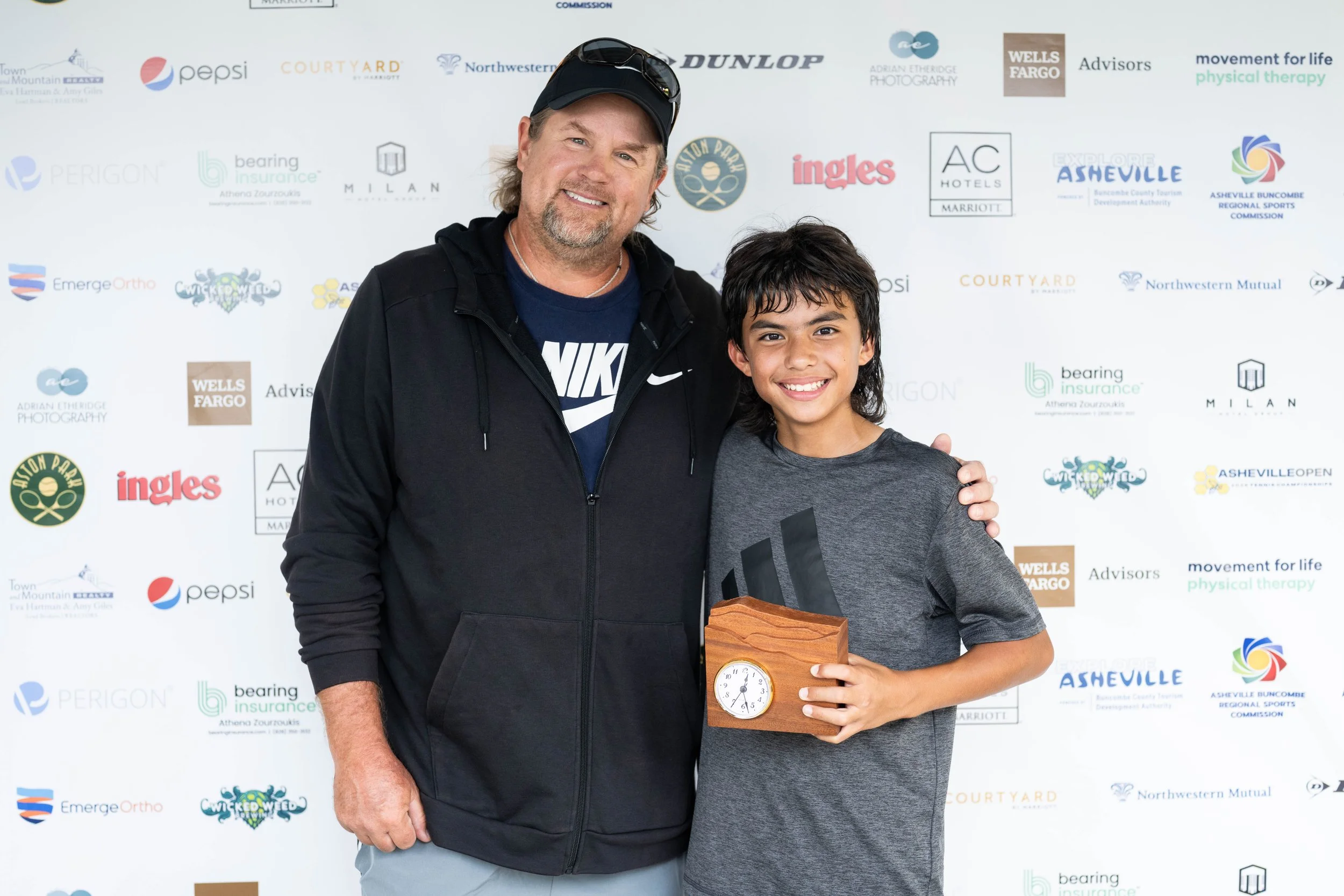
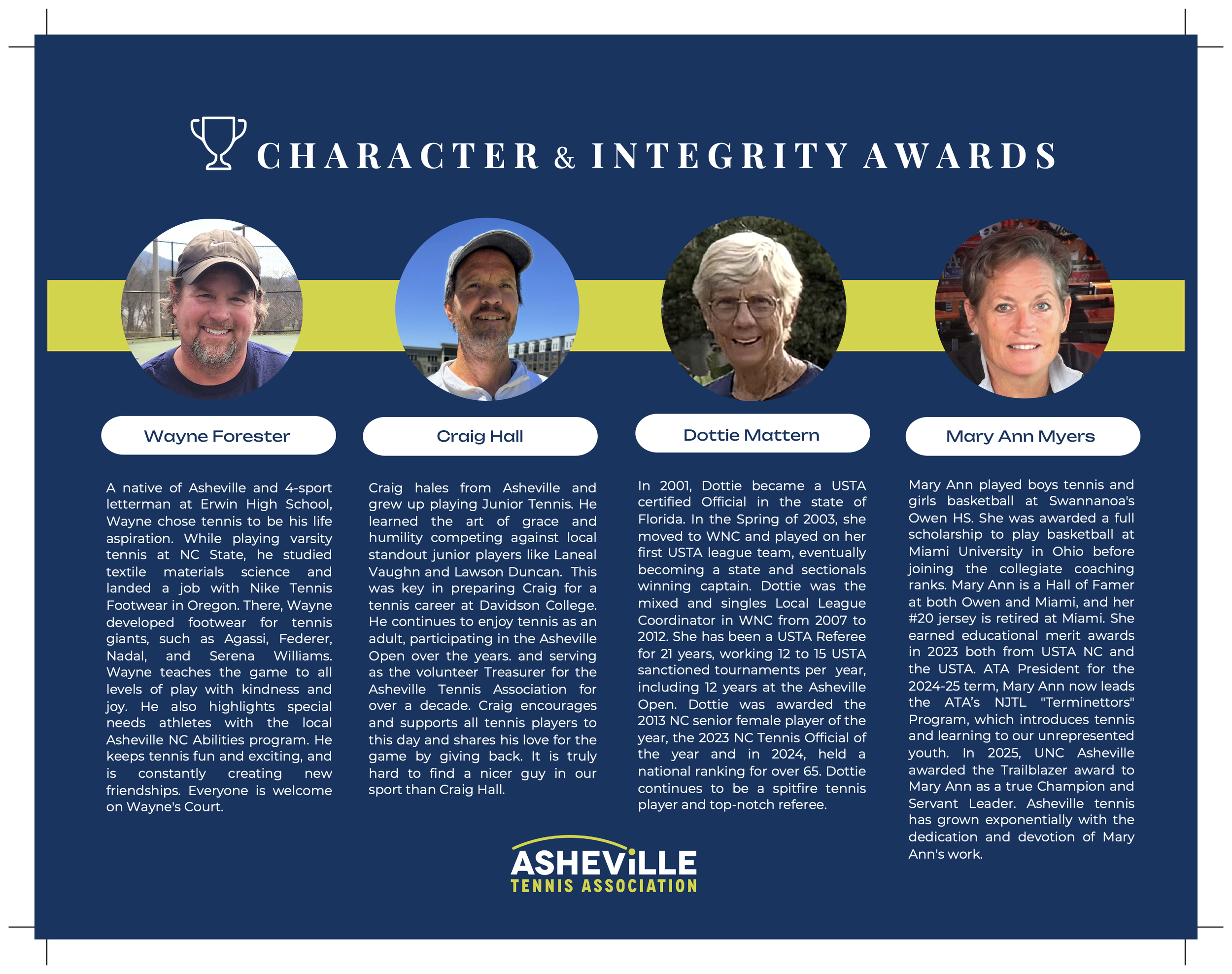
Preston Blakeley received the Men’s Character and Integrity Award, presented in honor of Craig Hall. Amy Marshall received the Women’s Character and Integrity Award, presented in honor of Dottie Mattern.
Character and integrity were also recognized during the junior tournament. Toshio Stanton received the Boys’ Character and Integrity Award, presented in honor of Wayne Forester. Evangeline Hicks received the Girls’ Character and Integrity Award, presented in honor of Mary Ann Myers.
The awards recognize competitors who reflect their namesakes’ sportsmanship, humility, leadership, service and commitment to making tennis welcoming for all.
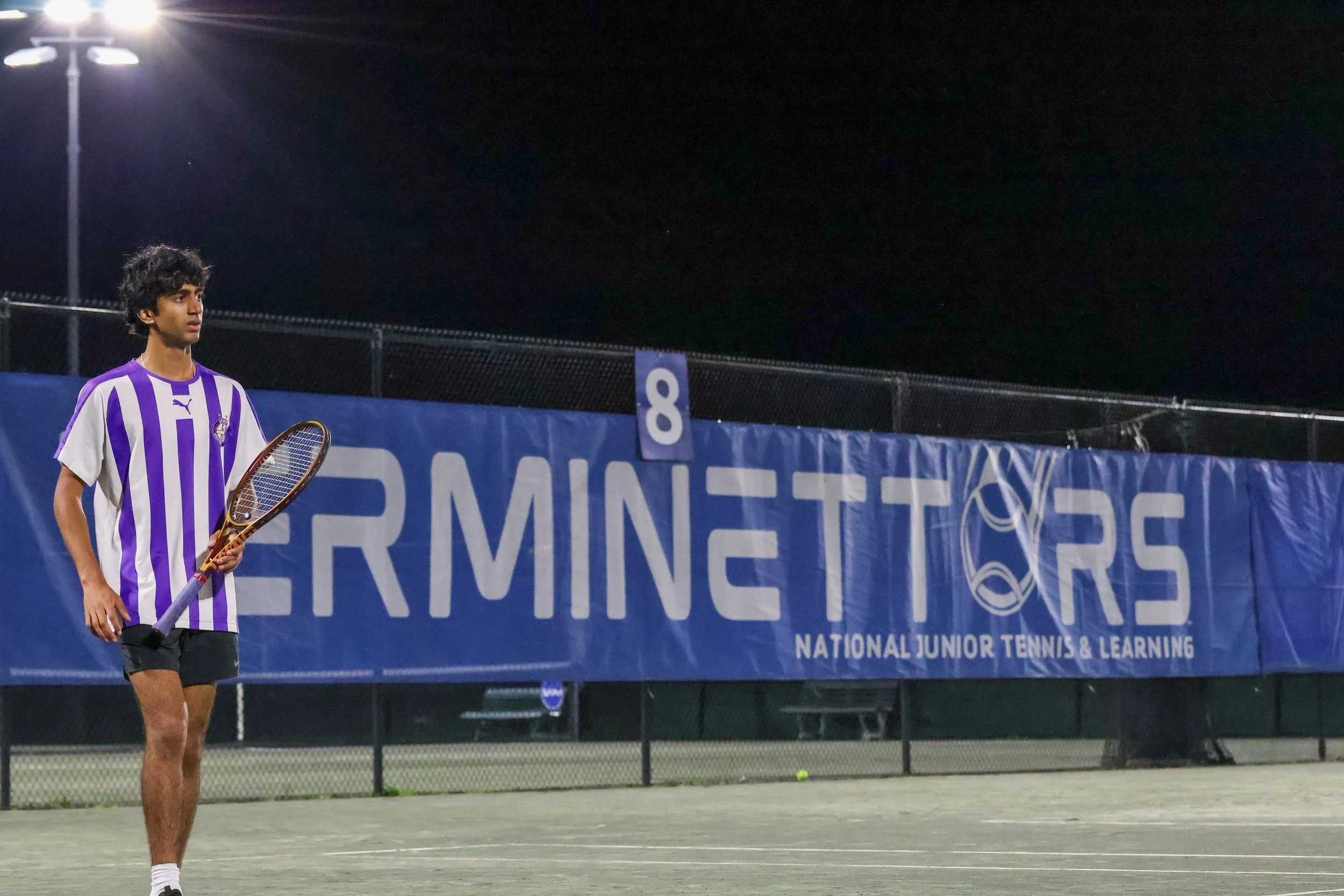
The tournament benefits the Asheville Tennis Association, a volunteer-driven nonprofit dedicated to promoting and developing tennis throughout the area. Twenty percent of the tournament’s cash revenue supports community outreach programs, including free tennis opportunities for underserved youth, summer activities with Asheville Parks and Recreation, and the Terminettors after-school program. The association also supports Special Olympics, Abilities Tennis and wheelchair tennis programming.
Despite the rain, the association reported a record-setting response to the Asheville Open raffle, its largest annual tournament fundraiser.
After 94 editions, the Asheville Open remains more than a competition. By welcoming adult and junior players to the same historic public facility, the tournament connects the sport’s past with its future while strengthening the community around it.